
Build an approval‑ready credit profile
Understand what’s driving your credit decisions, identify items that may be unfair or inaccurate, and take a structured next step toward stronger approvals and better terms.
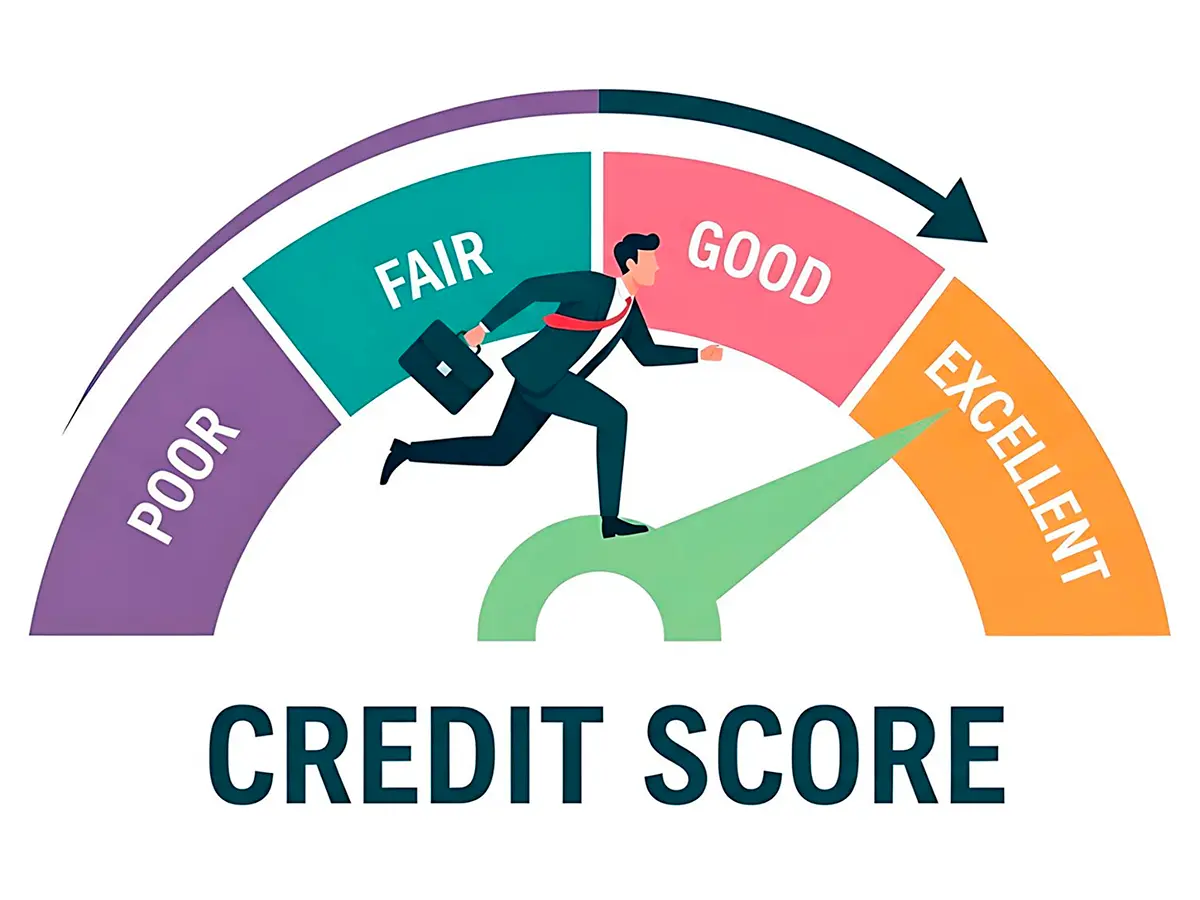
Built around established U.S. credit reporting practices and dispute procedures under the Fair Credit Reporting Act (FCRA). No unrealistic promises—just clarity, documentation, and structured credit improvement.
Unlock more options
Choose the outcome you care about. We’ll outline what improves it—and what to watch for—so you can move forward with confidence.
Your path to stronger credit
A stronger credit profile can mean better approval odds, improved loan terms, and more financial flexibility. Get a clear, no-fluff overview of what credit improvement can help you achieve — then take the next step when you're ready.
Credit decisions in the U.S. are typically influenced by payment history, utilization ratios, account age, recent inquiries, and the accuracy of reporting across major credit bureaus.
Even small inconsistencies can affect lending algorithms. A structured credit improvement approach focuses on verified data, responsible usage patterns, and consistent financial behavior.
*Results vary. This page does not guarantee outcomes.
How it works
A straightforward workflow used by reputable credit‑support programs: review, challenge what’s questionable, and build stronger habits while updates are processed.

Review your starting point
Clarify your goal and look at what’s currently affecting approvals and terms.

Identify what can be challenged
See what information is typically needed, what to expect next, and how the workflow usually looks.

Move forward
Continue to explore available options and take the next step toward better credit outcomes.
someone to help me fix my credit - the no-nonsense way to choose real help
You don't need cheerleading; you need measurable movement. The right "someone" depends on what's broken, your time, and how tightly you want to hold the wheel. I cut through options and land on what proves results, not what sounds comforting.
Define the help you actually need
Map the job before hiring it. Then choose the narrowest tool that solves it.
- Organization/accountability: on-time payments, balances too high, scattered bills.
- Factual errors or identity mix-ups: accounts you don't own, duplicates, wrong dates.
- Negotiation: valid debts or collections that need structured payoff.
- Score optimization before a deadline: mortgage, lease, job screening.
Options and tradeoffs
DIY with structure
Best when issues are simple and you can spare 30 minutes weekly. Cheapest, and often fastest.
- Pull all three credit reports; save PDFs; note dates. Proof matters.
- List every negative item with amount, owner, last activity, and status.
- Calculate utilization: balances ÷ limits. Pay cards below 30% (ideally ~9%). Schedule payments three days before statement cut.
- Turn on autopay for at least minimums; set calendar reminders for due and statement dates.
- Dispute only inaccuracies with documents (statements, receipts, letters). Send certified mail; keep copies and tracking.
- Request goodwill removal for a one-time late from original creditors, backed by proof of resolved hardship.
Nonprofit credit counseling
Pros: structured budget coaching, potential interest reductions via a Debt Management Plan (DMP), one payment, and creditor letters you can file as evidence. Cons: small monthly fee; some creditors may close cards; opening new credit is harder during a DMP. Use this when the debt is valid and you want discipline plus documentation.
For-profit credit repair
Pros: they draft disputes and monitor. Cons: cost; canned letters; they cannot delete accurate data; watch for monthly fees that outlast results. If you go here, require itemized dispute logs, copies of every letter, and a 90-day results review. No proof, no payment.
The moment that decides
7:42 p.m., grocery line. I saw a duplicate medical collection, snapped a photo of the zero-balance statement, and emailed it to a counselor who replied with a two-sentence dispute I could send tonight. That's help: fast, documented, and yours to keep.
Proof beats promises
- Show me a written plan, timeline, and who does what by when.
- Which documents will you collect, store, and return to me?
- How do you verify outcomes on all three bureaus, not just one?
- What's the approach for paid collections and charge-offs?
- Cancellation, fees, and deliverables - put it in writing.
Quick decision path
- Mostly high balances and missed reminders? DIY plus one nonprofit session.
- Clear errors and you have documents? DIY or a low-cost legal clinic.
- Multiple valid collections and stress? Nonprofit DMP for structure.
- Zero time but willing to gather proof? Consider a reputable repair firm; set a firm end date.
Realistic check
Scores move on reporting cycles, not promises. You can't cut utilization without cash flow. A payment after the due date but before the statement won't erase a late. Set one small recurring charge per card and autopay in full; add an extra payment three days pre-statement to capture lower balances.
Control equals momentum
Pick someone who hands you receipts, dates, and scripts - and keeps you in the driver's seat. Commit 90 focused days, demand evidence at every step, and lock habits with automation. That's how help turns into lasting control.
In the vast majority of cases, hiring an outside company will do no more than waste your money. How credit repair businesses work. The most common way credit ...
There is nothing someone else or a credit repair company can do to clean up your credit and raise your score that you cannot do yourself. You ...
Almost ALL lenders will do them, but almost NONE will do them with a single request. And, since most people stop at a single request (or maybe a ...
Frequently asked questions
A clear next step — without the guesswork
See what’s impacting approvals and what may deserve a closer look.
Understand how disputes are structured and what documentation matters.
Improve utilization, consistency, and long-term credit stability.
See what improving your credit could change
Take a structured next step based on your current profile — and decide with clarity.